

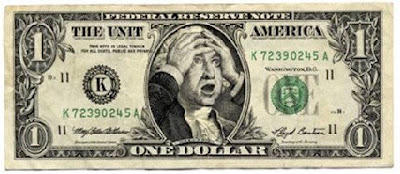
 Well the time is here now to get an update on our national funds and the picture isn’t pretty.
All the federal stimulus payments, treasury cash injections and foreign infusion of funds into our institutions/stocks has meant that America’s national debt recently passed $36 Trillion (that’s 12 zeros!).

To put this in perspective, the recent trillion dollar pandemic bailouts were only 5% of the foretasted national debt, small change by comparison.
The Congressional Budget Office (CBO) projects that the federal budget deficit for the current fiscal year will grow by nearly $2 trillion. These persistent fiscal imbalances meant that the national debt will surpass its post-World War II peak by 2029, reaching 107.2% of GDP, and continue to rise thereafter
Unfortunately longer term the national debt is set to go even higher; thanks to funding needs for the ongoing government intervention and regulatory activities. The national debt is owed to a wide variety of creditors, including the federal government itself.
Fully funded social security and universal health care are fast becoming pipe dreams.
The US dollar, despite the picture, is still holding up well thanks to the perception that the US is still growing while the rest of the world is just entering the nadir of a global recession.
However, once the global economy recovers the US dollar will not fare nearly as well and should fall sharply in lockstep with the rising national debt. Our future generations will have a heavy burden on them indeed.
National Debt Interest Payments
As inflation soars, thanks to all the stimulus programs, the federal reserve is forced to take action by raising interest rates. This in turn raises the cost of servicing our national debt.
According to the CRFB, the interest payment on our national debt is expected to become the largest government expense by the middle of this decade.
Within a decade, interest costs will require 18 percent of revenue, and by 2050 they will require 35 percent of revenue – about what is raised by the corporate income tax and payroll taxes combined.
